
 (214) 900-9511

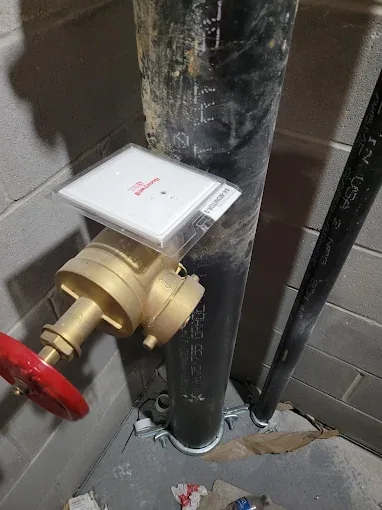
Dallas Fire Sprinkler Repair: Keeping Your Property Safe and Secure
When your fire sprinkler system fails or malfunctions, every minute counts. Whether it’s a leaking sprinkler head, damaged pipe, faulty valve, or complete system failure, you need expert repair services that respond fast and get it right the first time.
In Dallas, where commercial properties depend on reliable fire protection to meet code requirements and keep occupants safe, fire sprinkler repair isn’t just maintenance—it’s mission-critical.
Want to understand how sprinkler systems work? Check out our Complete Fire Sprinkler Systems Guide for comprehensive coverage.
Why Fire Sprinkler Repairs Can’t Wait
Fire sprinkler systems are your property’s first line of defense against fire damage. When components fail, you’re facing serious risks:
Immediate Concerns
- Code violations: Non-functional sprinkler systems violate fire codes and can result in occupancy shutdowns
- Insurance issues: Most commercial policies require working sprinkler systems; failures may void coverage
- Life safety risks: Every day without protection puts occupants in danger
- Water damage: Leaking or broken components can cause extensive property damage
- Business interruption: Fire marshal may restrict occupancy until repairs are complete
Financial Impact
A malfunctioning sprinkler system isn’t just a safety issue—it’s a financial liability:
- Daily fines: $500-$2,500+ per day for code violations
- Water damage costs: $5,000-$50,000+ for leaks and breaks
- Insurance surcharges: 20-50% premium increases for non-compliance
- Lost revenue: Forced closures cost businesses $1,000-$10,000+ per day
- Liability exposure: Increased risk if fire occurs during system downtime
Common Fire Sprinkler Problems in Dallas
Our experience servicing Dallas properties reveals these frequent issues:
1. Leaking Sprinkler Heads
Symptoms:
- Water dripping from sprinkler heads
- Water stains on ceilings or walls
- Reduced system pressure
- Visible corrosion around heads
Common Causes:
- Corrosion from age or water quality
- Physical damage from impacts
- Temperature fluctuations
- Manufacturing defects
Typical Cost: $150-$400 per head (including replacement and testing)
2. Broken or Damaged Pipes
Symptoms:
- Sudden water leaks
- Low system pressure
- Visible pipe damage or corrosion
- Water pooling in unexpected areas
Common Causes:
- Freezing temperatures (especially dry pipe systems)
- Corrosion from water chemistry
- Construction/renovation damage
- Seismic activity
Typical Cost: $500-$3,000+ depending on location and extent
3. Faulty Control Valves
Symptoms:
- System won’t charge properly
- Alarm constantly triggering
- Pressure irregularities
- Visual valve damage or leaks
Common Causes:
- Valve left partially closed (most common)
- Worn valve components
- Debris in valve mechanism
- Corrosion
Typical Cost: $300-$1,500 for valve repair or replacement
4. Pressure Irregularities
Symptoms:
- Pressure gauge readings outside normal range (too high or too low)
- System won’t maintain pressure
- Frequent low-pressure alarms
- Pump cycling excessively
Common Causes:
- Air in system (dry or pre-action systems)
- Compressor failures
- Pump malfunctions
- Hidden leaks
Typical Cost: $200-$2,000 depending on cause
5. Alarm System Malfunctions
Symptoms:
- False alarms without water flow
- Alarm doesn’t trigger during testing
- Erratic alarm behavior
- Monitoring signals not transmitting
Common Causes:
- Flow switch failures
- Pressure switch issues
- Wiring problems
- Control panel malfunctions
Typical Cost: $250-$800 for component replacement
6. Corrosion and Aging Components
Symptoms:
- Visible rust on pipes or heads
- Discolored water during testing
- Pinhole leaks
- Reduced flow capacity
Common Causes:
- Water chemistry (high oxygen, low pH)
- Age (systems over 30 years)
- Lack of preventive maintenance
- Incorrect pipe materials
Typical Cost: $1,000-$10,000+ for partial system replacement
Emergency Sprinkler Repair: What to Expect
When disaster strikes, you need a repair partner who understands urgency. Here’s how emergency sprinkler repair works:
Immediate Response (Within 1-2 Hours)
-
Initial Contact
- Call our emergency line 24/7/365
- Describe the problem and location
- Receive immediate guidance on isolation/containment
-
Technician Dispatch
- Certified sprinkler technician en route
- Fully stocked service vehicle
- Remote access to your system records (if available)
-
On-Site Assessment
- Locate and isolate problem area
- Assess extent of damage
- Identify temporary solutions
- Provide cost estimate
Repair Process (2-6 Hours for Most Issues)
-
System Isolation
- Close appropriate control valves
- Notify monitoring company (prevent false alarms)
- Post fire watch if required
-
Component Repair/Replacement
- Replace damaged heads, pipes, or valves
- Clean and flush affected areas
- Test new components
-
System Restoration
- Re-pressurize system
- Conduct flow tests
- Verify alarm functionality
- Restore monitoring signals
-
Documentation
- Complete service reports
- Update fire marshal if required
- Provide certificate of compliance
- Schedule follow-up inspection if needed
Cost Factors for Emergency Repairs
- After-hours premium: 1.5-2x standard rates (nights/weekends)
- Response time: Faster response = higher cost
- Complexity: Difficult access or extensive damage increases labor
- Parts availability: Common parts vs. obsolete components
- Scope: Single head vs. multiple zones
Emergency Repair Investment: $500-$5,000+ depending on scope
Preventive Maintenance: Avoid Emergency Repairs
The best repair is the one you never need. NFPA 25 mandates regular inspections and testing to catch problems early:
Required Inspections (NFPA 25)
| Component | Frequency | Purpose |
|---|---|---|
| Visual Inspection | Weekly/Monthly | Check for leaks, damage, corrosion |
| Alarm Test | Quarterly | Verify flow alarms trigger properly |
| Main Drain Test | Annually | Ensure adequate water supply |
| Full Flow Test | Annually | Test system performance under load |
| Internal Inspection | Every 5 years | Check for internal corrosion |
| Hydrostatic Test | Every 5 years | Verify pipe integrity |
Benefits of Preventive Maintenance
Cost Savings:
- 70% reduction in emergency repair costs
- Extended equipment lifespan (20+ years vs. 15 years)
- Lower insurance premiums
- Avoided code violation fines
Reliability:
- 99%+ system uptime
- Fewer false alarms
- Predictable maintenance budgets
- Peace of mind
Compliance:
- Maintain code compliance year-round
- Avoid occupancy restrictions
- Documented due diligence for insurance
- Ready for fire marshal inspections
Preventive Maintenance Investment: $500-$2,000/year depending on system size
Learn more in our Preventive Maintenance Complete Guide.
DIY vs. Professional Sprinkler Repair
When to Call a Professional (Always)
Fire sprinkler repair requires:
- NICET certification or equivalent training
- Specialized tools (pipe cutters, groovers, gauges)
- Code knowledge (NFPA 13, NFPA 25, local amendments)
- Testing equipment (flow meters, pressure gauges)
- Insurance (liability and workers’ compensation)
Why DIY is Dangerous
- Code violations: Improper repairs void approvals
- Liability: You’re responsible if system fails during fire
- Insurance denial: Unauthorized repairs void coverage
- Safety risks: Pressurized systems (175+ PSI) are dangerous
- Water damage: Mistakes cause flooding
Bottom Line: Fire sprinkler repairs must be performed by licensed, insured professionals. Period.
Choosing a Dallas Fire Sprinkler Repair Company
Not all sprinkler contractors are created equal. Look for these qualifications:
Essential Credentials
✅ NICET Certification: Technicians should hold NICET Level II or higher in water-based systems ✅ Licensed and Insured: State fire sprinkler contractor license, general liability, and workers’ comp ✅ 24/7 Emergency Response: True 24/7 service, not just an answering service ✅ Local Experience: Familiarity with Dallas building codes and fire marshal requirements ✅ Manufacturer Authorized: Training and parts access for major brands
Red Flags to Avoid
❌ Unlicensed technicians: “Handyman” services or general plumbers ❌ Upfront payment demands: Legitimate contractors bill after completion ❌ No emergency capability: Can’t respond within 2-4 hours ❌ Vague estimates: Won’t provide written quotes ❌ No references: Can’t provide local commercial clients
Questions to Ask Before Hiring
-
“What certifications do your technicians hold?”
- Look for NICET Level II or higher
-
“What’s your average emergency response time in Dallas?”
- Should be 1-2 hours for critical failures
-
“Do you provide 24/7 emergency service?”
- Verify they have on-call technicians, not just answering services
-
“Can you provide references from similar properties?”
- Ask for 3-5 recent commercial clients
-
“Do you handle fire marshal coordination?”
- Good contractors manage inspections and certifications
-
“What’s included in your preventive maintenance programs?”
- Compare to NFPA 25 requirements
-
“How do you handle after-hours emergencies?”
- Understand premium charges upfront
Dallas-Specific Considerations
Local Code Requirements
Dallas follows:
- International Fire Code (IFC) with local amendments
- NFPA 13 for sprinkler system installation
- NFPA 25 for inspection, testing, and maintenance
- Texas State Fire Marshal regulations
Key Dallas Requirements:
- Annual inspections required for all commercial sprinkler systems
- Fire marshal notification required for system impairments over 10 hours
- Certificate of compliance needed after repairs
- Occupancy restrictions for non-functional systems
Climate Factors
Dallas weather impacts sprinkler systems:
Summer Heat (100°F+):
- Increased head activation from high ambient temperatures
- Thermal expansion can stress old pipes
- HVAC coordination crucial for climate control
Winter Freezes:
- Dry pipe systems vulnerable to freeze-ups
- Exterior heads require heat trace or protective enclosures
- Glycol antifreeze systems need annual concentration checks
Humidity and Water Quality:
- High humidity accelerates corrosion
- Hard water deposits reduce head performance
- Proper water treatment extends system life
Service Area Coverage
Our Dallas service area includes:
Dallas County: Dallas, Irving, Garland, Mesquite, Richardson, Carrollton, Plano (southern), DeSoto, Cedar Hill, Duncanville, Grand Prairie, Lancaster, Rowlett, Farmers Branch, University Park, Highland Park
Collin County: Plano, McKinney, Frisco, Allen, The Colony, Wylie
Tarrant County: Fort Worth, Arlington, Euless, Bedford, Hurst, Grapevine
Denton County: Lewisville, Flower Mound, Denton, Coppell
24/7 Emergency Response: All service areas within 2-hour response time
Cost Guide: Dallas Fire Sprinkler Repairs
Here’s what you can expect to invest for common repairs:
Standard Repairs (Business Hours)
| Service | Typical Cost Range |
|---|---|
| Single sprinkler head replacement | $150-$400 |
| Control valve repair | $300-$1,500 |
| Pipe section replacement (10-20 ft) | $800-$2,500 |
| Flow alarm replacement | $250-$600 |
| Pressure gauge replacement | $100-$250 |
| Drain valve repair | $200-$500 |
| Test & drain connection | $300-$700 |
Emergency Repairs (After-Hours)
Add 50-100% premium for:
- Nights (6pm-6am)
- Weekends (Friday 6pm - Monday 6am)
- Holidays
Example: $300 standard valve repair = $450-$600 after-hours
Major System Repairs
| Service | Typical Cost Range |
|---|---|
| Fire pump repair/rebuild | $2,000-$10,000 |
| Backflow preventer replacement | $1,500-$5,000 |
| Underground piping repair | $3,000-$15,000 |
| System-wide pipe replacement | $10,000-$100,000+ |
| Retrofitting dry pipe system | $15,000-$75,000 |
Insurance Coverage
Most commercial property policies cover:
- ✅ Sudden and accidental damage (burst pipes, physical impacts)
- ✅ Water damage from sprinkler failures
- ✅ Code upgrade requirements after covered losses
Most policies DO NOT cover:
- ❌ Wear and tear or gradual deterioration
- ❌ Lack of maintenance
- ❌ Freeze damage if building unheated
- ❌ Cosmetic corrosion
Pro Tip: Some policies include equipment breakdown coverage that extends to sprinkler components. Review your policy or ask your agent.
What to Do When Your Sprinkler System Fails
Follow this emergency protocol:
Step 1: Assess the Situation (1-2 minutes)
For Leaks:
- Locate leak source if visible
- Identify nearest control valve
- Assess water damage extent
- Note if alarm is activated
For System Failures:
- Check pressure gauges
- Note alarm panel messages
- Identify affected zones
- Check main control valve position
Step 2: Contain and Mitigate (5-10 minutes)
For Active Leaks:
- Close zone control valve or main valve
- Place water extraction equipment if available
- Move valuables from affected areas
- Document damage with photos
For Pressure Loss:
- Check all control valves (ensure fully open)
- Look for visible leaks
- Check fire pump (if present)
- Verify water supply
Step 3: Notify Key Parties (10-15 minutes)
Immediate Notifications:
- 🔴 Fire sprinkler repair contractor (emergency line)
- 🔴 Alarm monitoring company (prevent false dispatches)
- 🔴 Building occupants (if system offline)
- 🟡 Insurance agent (if significant damage)
- 🟡 Property management (if tenant)
Follow-Up Notifications (within 24 hours):
- Fire marshal (if system offline over 10 hours)
- Tenants/occupants (provide timeline)
- Property owner/management
Step 4: Establish Fire Watch (If Required)
If your sprinkler system will be offline for more than 4 hours, most fire codes require a fire watch:
Fire Watch Requirements:
- Trained personnel patrol all affected areas
- Patrols every 60 minutes minimum
- Fire extinguishers readily accessible
- Authority to evacuate building if needed
- Log of patrols maintained
Fire Watch Cost: $25-$50/hour per person (usually need 1-2 people depending on building size)
Step 5: Coordinate Repairs
Work with Your Contractor:
- Request estimated timeline
- Get written cost estimate
- Understand testing requirements
- Plan for post-repair inspection
- Discuss temporary fire protection if needed
Stay Informed:
- Request regular updates
- Review repair documentation
- Verify code compliance certificates
- Confirm monitoring restoration
Sprinkler System Repair vs. Replacement
Sometimes repair isn’t the most cost-effective option. Consider replacement when:
Repair Makes Sense
✅ Isolated component failure (single head, valve, or pipe section) ✅ System less than 30 years old with good overall condition ✅ Minor corrosion limited to specific areas ✅ Manufacturer parts available for equipment ✅ Code compliant except for damaged component
Repair Threshold: Under $5,000 or less than 20% of replacement cost
Replacement Makes More Sense
🔄 Widespread corrosion affecting multiple zones 🔄 System over 40 years old with frequent failures 🔄 Obsolete equipment without parts availability 🔄 Major code violations requiring extensive upgrades 🔄 Multiple simultaneous failures indicating systemic issues
Replacement Threshold: Over $10,000 in repairs or 30%+ of replacement cost
Signs Your System Needs Replacement
- Repairs every 6-12 months
- Discolored water (black, red, or orange) during drains
- Pinhole leaks appearing frequently
- Original installation over 40 years ago
- System doesn’t meet current code
- Insurance carrier demanding upgrades
Learn more: See our Fire Sprinkler Systems Complete Guide for replacement planning.
Frequently Asked Questions
How quickly can you respond to emergency sprinkler repairs?
Our average emergency response time in Dallas is 1-2 hours during business hours and 2-3 hours after hours. Critical failures get priority dispatch. We maintain service vehicles throughout the DFW metroplex to minimize travel time.
What causes fire sprinklers to leak?
The most common causes are:
- Corrosion (50% of leaks) - age, water chemistry, oxygen exposure
- Physical damage (25% of leaks) - impacts from forklifts, ladders, construction
- Temperature fluctuations (15% of leaks) - freezing or excessive heat
- Manufacturing defects (10% of leaks) - rare but does occur
Can I shut off a leaking sprinkler myself?
Yes, you should close the nearest control valve to isolate the leak. However:
- Only close valves if you know which zone is affected
- Never close the main valve unless absolutely necessary
- Notify your fire alarm monitoring company immediately
- Call a licensed contractor for repairs
- Post fire watch if required by code
How much does a typical sprinkler repair cost in Dallas?
Common repairs range:
- Single head replacement: $150-$400
- Valve repair: $300-$1,500
- Pipe repair (small section): $800-$2,500
- Emergency after-hours: Add 50-100% premium
Final cost depends on location, damage extent, and urgency.
Do I need a permit for sprinkler repairs?
Permit typically required for:
- Adding new sprinkler heads
- Relocating sprinklers
- Replacing pipe sections over 10 feet
- Modifying system design
Permit NOT required for:
- Replacing like-for-like heads
- Valve repairs
- Gauge replacements
- Testing and maintenance
Your contractor should handle all permitting and inspections.
How often should sprinkler systems be inspected?
NFPA 25 requires:
- Weekly/Monthly: Visual inspections for leaks and damage
- Quarterly: Alarm testing
- Annually: Main drain test and inspector’s test
- Every 5 years: Internal piping inspection and hydrostatic test
Regular inspections prevent 70% of emergency repairs.
Does insurance cover fire sprinkler repairs?
Usually YES for:
- Sudden mechanical breakdowns
- Accidental physical damage
- Resulting water damage
Usually NO for:
- Gradual wear and deterioration
- Neglected maintenance
- Code upgrade requirements (unless endorsed)
Check your commercial property policy or call your agent.
What happens if my sprinkler system fails during a fire?
This is worst-case scenario and why repairs can’t wait:
- Building occupants at much higher risk
- Potential for total property loss
- Serious liability exposure
- Insurance may deny claims (due to non-functional protection)
- Legal liability if injuries or deaths occur
Never delay sprinkler repairs. The cost of failure far exceeds repair costs.
Take Action: Protect Your Dallas Property
Fire sprinkler systems save lives and property—but only when they’re working correctly. Whether you’re facing an emergency repair, planning preventive maintenance, or evaluating system performance, the time to act is now.
Next Steps
- Emergency Repairs: Call our 24/7 line immediately for active leaks or system failures
- Schedule Inspection: Book annual inspection to catch problems early
- Request Maintenance Quote: Get preventive maintenance pricing for your property
- System Evaluation: Schedule assessment if system is over 25 years old
Why Choose Anytime Fire for Dallas Sprinkler Repair
✅ 15+ Years Experience: Thousands of Dallas commercial properties served ✅ NICET Certified Technicians: Level II and III certified specialists ✅ True 24/7 Emergency Service: On-call technicians respond within 2 hours ✅ Fully Licensed & Insured: Texas fire sprinkler contractor license, liability, and workers’ comp ✅ Code Compliance Experts: Navigate Dallas fire codes and fire marshal requirements ✅ Transparent Pricing: Written estimates before work begins ✅ Preventive Maintenance Programs: Keep your system compliant and reliable
Don’t wait for disaster. Contact us today for Dallas fire sprinkler repair, inspection, or maintenance.
Related Resources
- Fire Sprinkler Systems: Complete Guide - Understand how your system works
- Preventive Maintenance: Complete Guide - Avoid emergency repairs
- Fire Safety Compliance: Complete Guide - Meet Texas fire codes
Need Help Now? Call our Dallas emergency line 24/7 for immediate sprinkler repair assistance.